Humidity Control Tips for Finnish Climate
Master the art of maintaining optimal humidity levels in your Finnish apartment throughout the year.

Winter vs Summer Humidity Differences
Understanding Seasonal Variations
Finnish climate presents unique challenges throughout the year. Understanding these differences helps you maintain optimal conditions.
Winter Challenges
During cold Finnish winters, indoor humidity can drop too low, but condensation becomes a major concern. Cold exterior walls create temperature differences that lead to moisture accumulation.
- Outdoor air is dry, but indoor activities generate moisture
- Windows and exterior walls are cold, creating condensation zones
- Heating systems reduce relative humidity but increase absolute moisture
- Ventilation must balance air quality with energy efficiency
Summer Considerations
Summer brings different challenges with higher outdoor humidity and increased moisture from open windows and outdoor activities.
- Warmer temperatures allow for more frequent window opening
- Outdoor humidity levels are naturally higher
- Rain and damp weather increase moisture infiltration
- Natural ventilation is more effective but requires monitoring
Proper Use of Ventilation Valves

Maximizing Ventilation Efficiency
Ventilation valves are essential for maintaining air quality. Use them correctly to balance fresh air with energy efficiency:
Properly maintained ventilation valves provide continuous fresh air exchange without significant energy loss.
When to Open Windows
Strategic Window Opening
Knowing when and how to open windows maximizes ventilation benefits while maintaining comfort and energy efficiency.
Optimal Times
- Morning: Open windows after waking to remove overnight moisture
- After cooking: Ventilate kitchen areas immediately after meal preparation
- After showering: Open bathroom windows to remove steam and moisture
- During laundry: Increase ventilation when drying clothes indoors
Duration Guidelines
- Quick ventilation: 5-10 minutes for rapid air exchange
- Standard ventilation: 15-20 minutes for thorough air refresh
- Extended ventilation: 30+ minutes only during mild weather
Weather Considerations
Adjust window opening based on outdoor conditions. Avoid opening windows during heavy rain or extreme cold to prevent moisture entry and energy loss.
Dehumidifier Recommendations
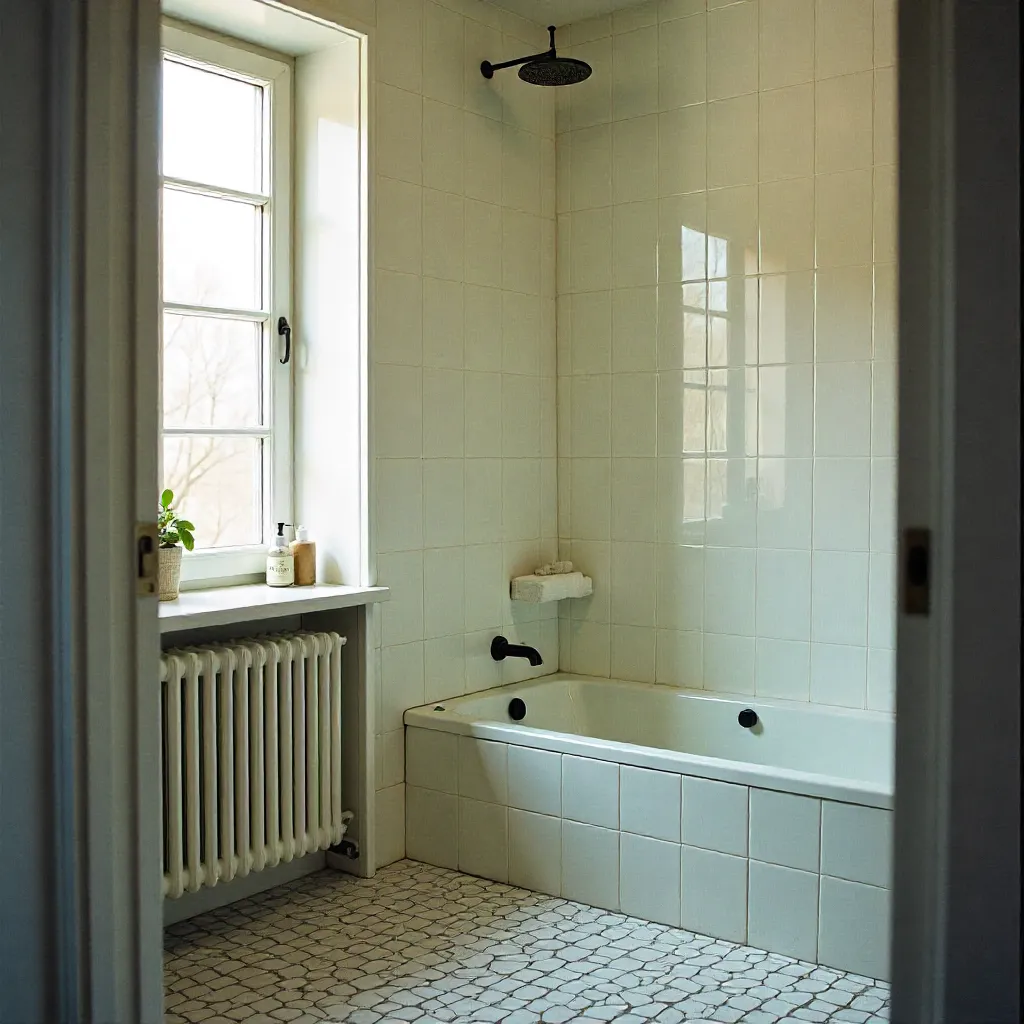
Choosing the Right Solution
Dehumidifiers can be valuable tools for maintaining optimal humidity levels, especially in problem areas.
When to Consider a Dehumidifier
- Persistent condensation on windows despite proper ventilation
- Humidity levels consistently above 60%
- Drying large amounts of laundry regularly
- Basement or ground-floor apartments with limited ventilation
- Bathrooms without adequate mechanical ventilation
Selection Criteria
- Capacity: Choose based on room size and typical moisture levels
- Energy efficiency: Look for energy-efficient models to minimize operating costs
- Noise level: Consider noise if used in living spaces
- Automatic features: Humidity sensors and auto-shutoff improve convenience
Placement Tips
Position dehumidifiers in areas with highest moisture, away from walls and furniture to allow proper airflow. Empty water reservoirs regularly and clean filters as recommended.
How to Identify High-Moisture Corners
Problem Area Detection
Early identification of high-moisture areas allows for preventive action before issues develop.
Visual Indicators
- Discoloration or darkening of wall surfaces
- Peeling paint or wallpaper
- Visible condensation on walls or windows
- Musty odors in specific areas
Physical Checks
- Touch walls to feel for cold spots, especially in corners
- Check behind furniture and in closets
- Inspect areas near plumbing fixtures
- Examine window frames and sills
Using Tools
Hygrometers can measure humidity levels in different rooms. Compare readings to identify areas with consistently higher moisture levels. Ideal indoor humidity ranges from 30% to 50%.
Simple Humidity Calculator
Assess Your Home's Humidity Risk
Enter your average indoor temperature to get recommendations:
This calculator provides general guidance. For accurate assessment, use a hygrometer to measure actual humidity levels.
Is My Home Too Humid? Quick Quiz
Question 1: Window Condensation
How often do you notice condensation on your windows?
Question 2: Bathroom Ventilation
How long do you run bathroom ventilation after showering?
Question 3: Laundry Drying
Where do you typically dry your laundry?
Your Assessment
Based on your answers, review your humidity control practices and consider improvements where needed.